Zombie Michael Jackson Finds Himself Eradicated

Updated CatRambo 0 Tallied Votes 804 Views Share

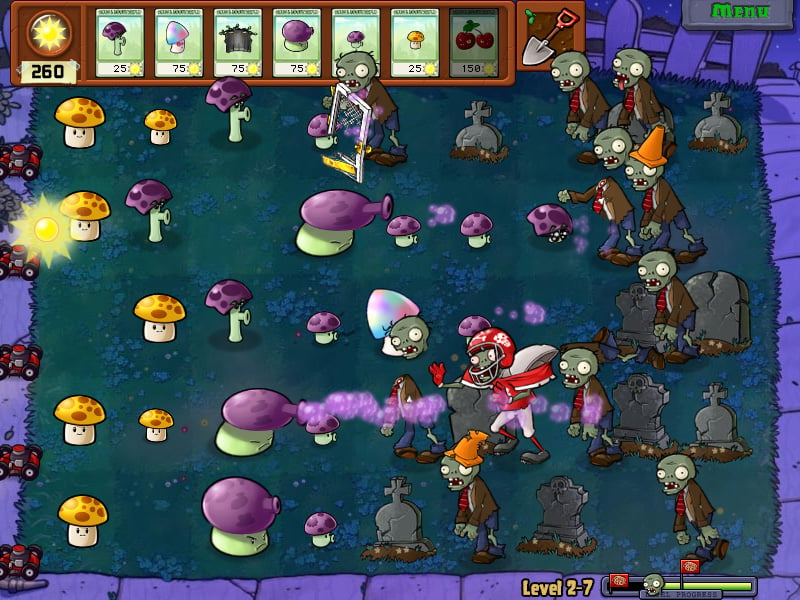
When PopCap Games released a disco-themed version of its Plants vs. Zombies game this July, it didn't expect any controversy. After all, what's less offensive than giant blossoms battling the undead? But PopCap's decision to include a zombie Michael Jackson led to quick action on the part of the Jackson estate.

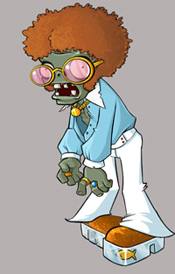
Popcap Games said: "The Estate of Michael Jackson objected to our use of the 'dancing zombie' in PLANTS vs. ZOMBIES based on its view that the zombie too closely resembled Michael Jackson. After receiving this objection, PopCap made a business decision to retire the original 'dancing zombie' and replace it with a different 'dancing zombie' character for future builds of PLANTS vs.ZOMBIES on all platforms. The phase-out and replacement process is underway."

The "Dancing Zombie" is a reference to Michael Jackson's famous Thriller video , which has inspired zombie-related events around the country . The character is dressed in an early 80s Jackson outfit: red leather jacket, matching tight pants, and white socks.
[youtube]0N1_0SUGlDQ[/youtube] has done well with the adaptation of its games for mobile devices. The iPhone and iPod adaptation of Plants vs. Zombies sold over 300,000 units in its fist nine days, breaking previous records and it remains one of the highest rated apps in the App Store. Seattle-based PopCap games is also the developer of the first paid app to reach the 3 million mark in the App store, Bejeweled. Other games from the company such as Bookworm, Chuzzle, and Peggle are consistently in the App Store's top 100.

Given that players can create their own "Zombatar" in the game, one wonders if it's possible that Michael Jackson might still be virtually shambling around. Zombatars can be used as Facebook, Steam, and Twitter profile pictures.

Dani AI

Generated

A short expert note expanding on 's report and the reaction this thread shows: when a game's comedic or homage artwork closely evokes a real, well known person, rights-holders can and do object. For players like the gameplay is the important part, but teams shipping character-driven visuals should treat this as a foreseeable operational risk and prepare accordingly.

Practical design rules to reduce risk: keep characters clearly fictional (change silhouette, proportions, and key costume cues), avoid copying a recognisable name or a single famous pose or audio clip, and prefer generic gestures over signature moves. If a character is meant as an homage, decide early whether to license the likeness or to push for a strongly transformed parody that cannot reasonably be read as the same person. Add a simple legal/creative checklist to each release sprint so potential issues are flagged before build cut.

Engineering and ops checklist to enable fast response: use feature flags and asset abstraction so alternative art can be swapped without a full client rebuild; tag art assets with provenance and license metadata in source control; and keep a small “rapid patch” build that can replace or hide a contested asset within hours. Example feature-flag pattern:

if (featureFlags['controversialCharacterEnabled']) {
  spawnCharacter('controversialCharacter_v1');
} else {
  spawnCharacter('controversialCharacter_v2');
}

Finally, have a clear community and takedown policy, an agreed escalation path with legal counsel, and a short public statement template. Documenting the decision trail and licensing checks will also help if a rights-holder asks for changes. This keeps fans happy, limits legal exposure, and makes any required substitutions straightforward.

art4492 0 Newbie Poster

i still love plants vs. zombies! hahah

Be a part of the DaniWeb community

We're a friendly, industry-focused community of developers, IT pros, digital marketers, and technology enthusiasts meeting, networking, learning, and sharing knowledge.