"My Fault I'm Female" Taking Internet by Storm

slfisher 0 Tallied Votes 543 Views Share

If you're a woman, it'll tick you off.

If you're a man, hopefully it'll educate you.

It's "My Fault I'm Female," or " " for short, a compendium of everyday horror stories from women about how they've been treated on the job, by public servants, and by their family.

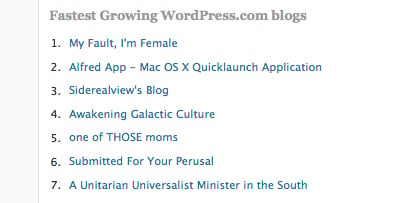
It's also the fastest-growing WordPress blog, as of earlier this month -- and it's only been around for eight days.


"MFIF (My fault, I'm female) is a blog that shares stories of women who've been made to feel it's their fault that they are female at work, at home, or wherever," the site describes. The site, which thus far primarily features stories from the U.K., is already receiving up to 30,000 hits per day.

It's also available on Facebook and Twitter (#MFIF hashtag).

Warning: NSFW.
Dani AI

Generated

Good thread. flagged a rapidly spreading, user‑submitted project that sparked lots of reaction, and ’s point about how a single punctuation mark can change interpretation is a useful editorial reminder: small framing choices shape public response. That distinction matters for anyone curating, reporting on, or designing a community-driven site.

If you run or study projects like this, immediate priorities are practical and simple:

  • Clarify framing: add a one-sentence mission line and clear submission guidelines so first‑time visitors know the intent and scope.
  • Stabilize infrastructure: enable caching, push static assets to a CDN, and add rate limits and a lightweight maintenance page to survive traffic spikes.
  • Build a moderation pipeline: use pre‑moderation for highly sensitive items, implement flags and simple escalation rules, and recruit accountable volunteer moderators.
  • Protect contributors: redact identifying details, strip metadata from uploads, require consent for reprints, and avoid collecting unnecessary PII.
  • Prepare communications: create a short FAQ/press statement and set up analytics alerts for referral and social spikes.

There are also ethical and legal obligations: have clear takedown and correction processes to reduce defamation risk, provide links to trusted support resources for contributors who disclose trauma, and document moderation decisions. Transparency about editorial standards prevents many misreadings like the one highlighted.

From a digital‑marketing/PR angle, track referral sources and engagement (sessions, repeat visitors, signups), watch sentiment on social channels, avoid bait headlines, and be cautious with programmatic ads on sensitive content. Alternative revenue (donations, memberships, direct sponsorship with clear brand alignment) preserves editorial control while respecting contributors.

Kirst 0 Newbie Poster

I think people are reading "My Fault, I'm Female" incorrectly. That comma is important. The site is not about "it's my fault that I am female" - it's about "it was implied or insinuated that the incident I am telling you about was my fault because I'm female." My fault, I'm female, not my fault I'm female. It's a subtle difference, but it's an important one.

slfisher 0 Posting Whiz

Good point!

Be a part of the DaniWeb community

We're a friendly, industry-focused community of developers, IT pros, digital marketers, and technology enthusiasts meeting, networking, learning, and sharing knowledge.