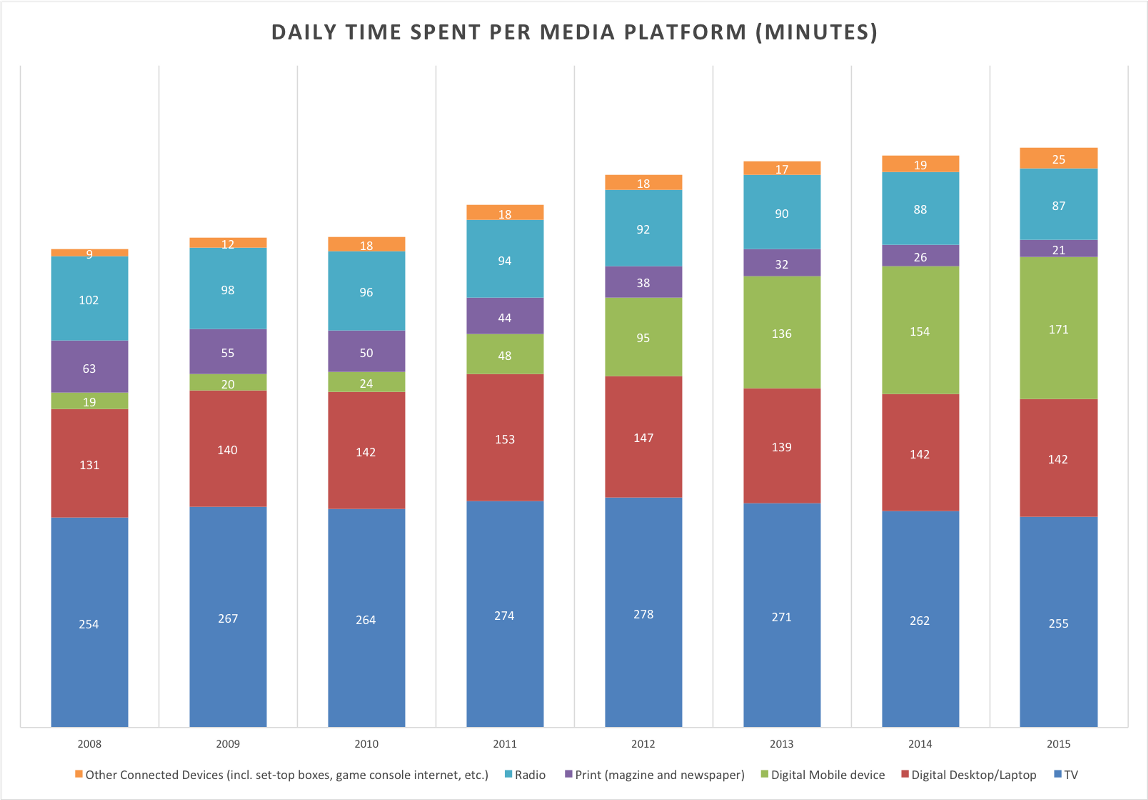
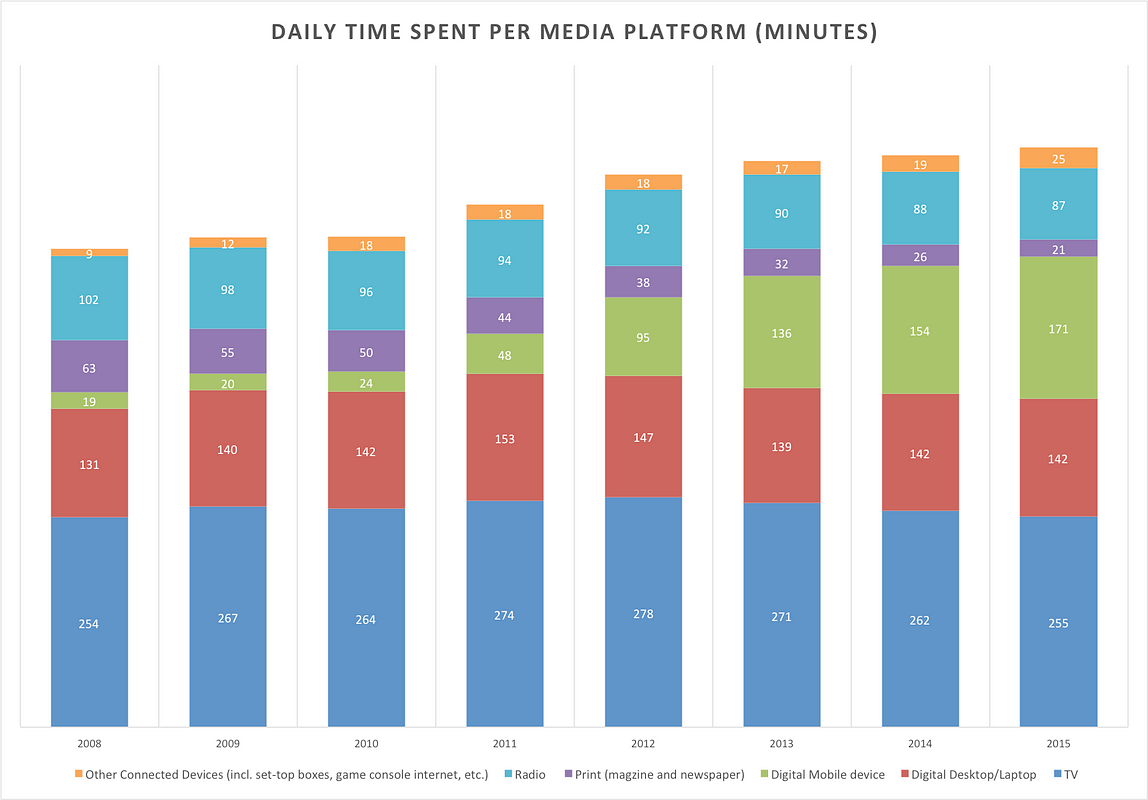
I have had some success with both ends of the spectrum. Mostly onlinethese days. How about the rest of you. Please share which makes you more sales.

Dani AI

Generated

Good thread — a few up-to-date takeaways that build on points from , and others and give a short, practical plan for testing what actually works.

Many posters rightly point to audience as the deciding factor: younger, intent-driven buyers often convert faster online (reach + measurement), while older or locally minded audiences still respond to tactile formats. Recent industry research shows digital’s strength is precise targeting and fast measurement, but privacy changes are forcing planners to rely more on first‑party data and new measurement approaches. (iab.com)

Print (especially direct mail and owned inserts/signage) remains useful when used to amplify digital activity rather than replace it. USPS and industry summaries report that cross‑channel campaigns (print + digital) raise ROI and foot traffic when the offline creative sends people to trackable, online touchpoints. Direct‑mail response benchmarks also remain stronger than many assume, so don’t discard print for the wrong reasons. (uspsdelivers.com)

Practical rules to use right away:

  • Match channel to objective: use paid search/social for short‑term direct response; use targeted print/direct mail for local, high‑trust, or in‑store objectives.
  • Make print measurable: every print piece should use a short PURL or UTM‑tagged landing page, a dynamic QR or a single offer code, and a trackable phone number so conversions can be tied back to that flight. Google’s Campaign URL Builder is the easy place to start for UTM best practice; GS1 documents cover QR/Digital Link standards for richer use cases. (ga-dev-tools.google)

A compact test workflow (run it before shifting budget):

  1. Define KPI (sales, visits, leads).
  2. Create two small pilots: digital‑only and print+digital (each with unique tracking).
  3. Run for a statistically useful window and include a small control/holdout audience to measure incremental lift.
  4. Compare incremental conversions (not just last‑click), iterate creative/targeting, then scale winners. Incrementality testing guides show how to run reliable holdout experiments and avoid over‑crediting channels. (redtrack.io)

Checklist summary: pick objective → pick audience → instrument every touch (UTM/PURL/QR/promo code/phone) → run a controlled test → measure incremental lift → scale. Online is best for fast, targetable performance; print still wins for certain audiences and brand/retail lift when it’s tracked and tied into the digital funnel.

Recommended Answers

All 7 Replies

It's about your target audience. It depends on what people you are targeting. But for many cases I prefer online ads

Print adds suport your online marketing. Visualy appeared adds that frequenetly come across the eyes and mind help to strenthen you online brand value. An online buyer with visual adds impcat on mind takes less time to decide.

Yes I agreed with , as it all depend on what kind of your target audeince are? If your target audinces are youth than you might need to focus on online ads rather than print ads because maximum youth you can find over the internet. Even sometime we can combine print and online ad to get covered all audience Here can check how combinging online with print helps in comprehensive branding.

Online Ads is the best I believe because there are more people using the internet than previus years

More and more people are working online, so I believe that those ads can reach the majority of people. Print ads, like print issues of magazines are slowly dying.

Online ads for use. But this might be because I'm running international business and it would be much more difficult to reach my target audience thorough print ads.

Be a part of the DaniWeb community

We're a friendly, industry-focused community of developers, IT pros, digital marketers, and technology enthusiasts meeting, networking, learning, and sharing knowledge.