Hi, all.

I'm having trouble getting audio over a DVI-to-HDMI connection out of my video card. The video card supports audio over DVI by way of a 2-pin cable connecting the S/PDIF header on the motherboard to the video card.

The motherboard is an Asus P5N7A-VM. The video card is a BFG Nvidia GeForce 9500 GT. I have disabled the onboard video card. Yes, I know the motherboard has and HDMI out, but I've had other issues with that and I'd prefer to get the video card working the way I would like.

I have connected the 2-pin cable that connects the motherboard to the video card via the two pins on the S/PDIF header. I have the DVI-to-HDMI adapter shown in the image. 5151c9f37f1238bb882bf2c11a447dbe
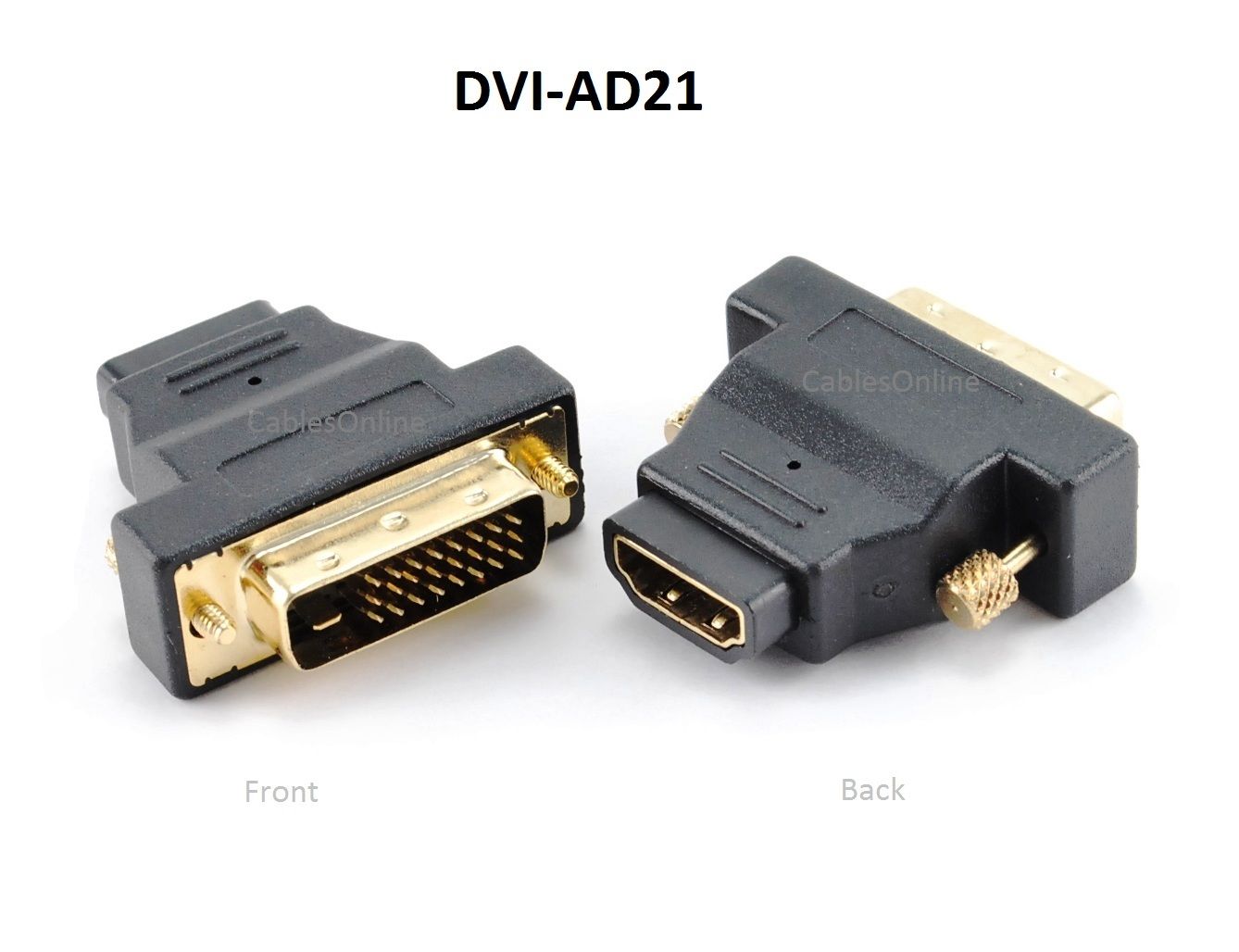
The video portion of the signal is working great. I'm just not getting any audio. In Windows, under audio devices, I see 'Nvidia HDMI out' but it is disabled (grayed out). I'm not sure if this is related the external video card or the Nvidia components on the motherboard though, so this may be moot. I've updated the video card drivers, including completely removing them and reinstalling. I've tried toggling the audio setting in BIOS that switches between S/PDIF OUT or HDMI OUT for the S/PDIF header on the motherboard without success. I've tried toggling the front panel audio settings (I was confident this would have no effect though) to AC97 or (whatever it said) without success.

Is there something I'm missing, or something else that should I try? Is this a lost cause? Thanks in advance.

-Dave

Dani AI

Generated

Short, practical explanation: a passive DVI->HDMI adapter only remaps video pins — it does not add audio. For audio to appear on an HDMI jack the GPU must provide an HDMI-audio controller and actually receive a digital audio feed (usually via a motherboard S/PDIF header or a native HDMI port). If the GPU or its connector/cable is missing or not wired for S/PDIF, the adapter cannot produce sound. (download.nvidia.com)

Concrete tests to run (in roughly this order):

  • In Windows Sound settings and Device Manager enable hidden/disabled devices and enable any “NVIDIA High Definition Audio” / “NVIDIA HDMI” devices, then set the HDMI device as default if present.
  • Open the NVIDIA Control Panel (Display > Set up digital audio) and check the HDMI output selection.
  • Try the same setup with a display you know handles HDMI audio (a TV/AVR), and swap HDMI cables and the DVI->HDMI adapter to rule out a bad cable/adapter.
  • Confirm the motherboard S/PDIF header wiring matches the card’s connector and the BIOS SPDIF-mode setting (see the P5N7A-VM manual for the header and SPDIF options).
  • If possible, test the video card in another PC or test a different card in this motherboard to isolate a faulty header or card. (drivereasy.com)

If those checks fail the most likely causes are either the card doesn’t actually support audio over its DVI output (some vendor cards omit the required audio wiring) or a defective S/PDIF/header/cable. Options: use a GPU with a native HDMI output (simplest), feed audio separately (optical/coax/TOSLINK or a USB audio dongle), or use an HDMI audio extractor. Before buying replacements, confirm with the swap tests above to avoid replacing the wrong part. (forums.tomshardware.com)

Note on : given the troubleshooting already attempted, swapping the card or trying the card on a different board is the fastest way to prove whether the issue is a defective header or a card that simply lacks HDMI-audio wiring.

I'm giving up on this. Many people have succeeded with this by doing all the exact same things I've tried, so maybe my video card or audio header on the motherboard is defective. I'll either buy a replacement video card or motherboard, or both.

Be a part of the DaniWeb community

We're a friendly, industry-focused community of developers, IT pros, digital marketers, and technology enthusiasts meeting, networking, learning, and sharing knowledge.