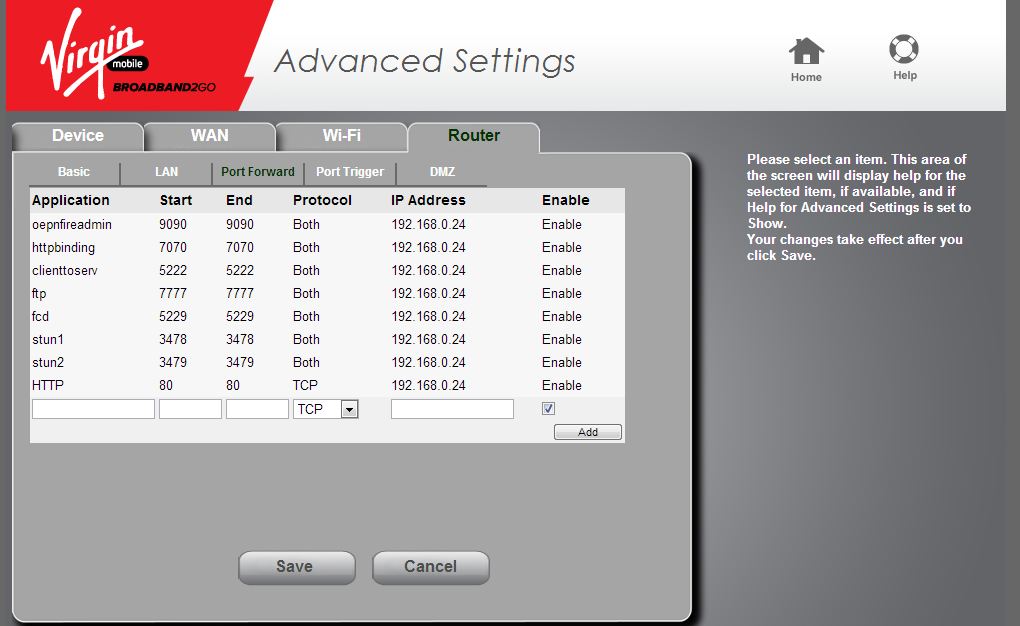
I'm using the Virgin Mobile Overdrive Hotspot as a temporary setup for now until I get service out here. Anyway, I'm using the port forwarding settings on the device.
mobile

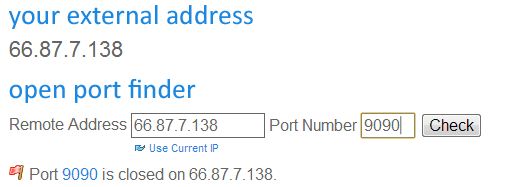
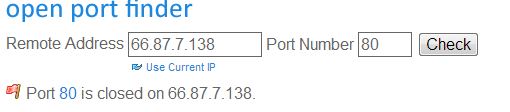
I am saving it each time, restarted the computer and the mobile hotspot device. I checked if the ports are open and they are not. Just to see if it were the ports, I enabled port 80. Still not open.
Capture111Capture211

I have the same setup before I moved with a router and cable modem and it worked, but not this hotspot. What's the deal?

Thanks for having a peek.

Dani AI

Generated

Short answer: the Overdrive's port-forward rules only work if the hotspot actually has a routable public IP on the carrier side. Mobile hotspots are commonly placed behind a carrier NAT (shared 100.64.0.0/10 space or other private ranges), so opening a port on the Overdrive itself does not make that port reachable from the Internet. 's note that forwarding worked only after service activation strongly suggests the carrier changed the WAN assignment (for example, gave a public address or removed a block). (rfc-editor.org)

Quick troubleshooting checklist (apply before blaming the hotspot UI):

  • Confirm the server is actually listening on the target port and that the host firewall allows the traffic (as suggested).
  • From the host, fetch the externally visible IP and compare it to the hotspot's WAN IP in the device UI; if they differ or if the WAN IP is in a private/Shared range, inbound forwarding will fail. A simple public-IP check is curl ipinfo.io/ip.
  • If the hotspot WAN IP falls into RFC1918 or the 100.64.0.0/10 shared range, you are behind provider NAT and cannot rely on local port-forwarding. (ipinfo.io)

If you are behind carrier NAT: practical options

  • Ask the carrier if they can assign a public or static IP (often a business add-on). If they cannot, local forwarding will remain ineffective.
  • Use an outbound tunnel/relay: Cloudflare Tunnel, ngrok (or an SSH reverse tunnel / VPN) make your service reachable by creating an outbound connection from inside your network and exposing it via a cloud endpoint. These are the reliable workarounds when the ISP holds you behind NAT. PCP exists as a standards-based mechanism to request mappings from upstream NAT, but it only helps if the carrier implements it. (developers.cloudflare.com)

Example commands to run on the server before and after changes:

# get public IP
curl ipinfo.io/ip

# check listener on Linux
ss -ltnp | grep ':80' 

# check listener on Windows (cmd)
netstat -an | findstr :80

If port forwarding worked only after service activation (as seen here), that is the best diagnostic: the carrier-side routing changed. For future readers, run the checks above first; if the WAN IP is not public, use a tunnel or request a public/static IP from the carrier.

Recommended Answers

All 3 Replies

Are you sure that you are checking the correct public IP address?
On the device on your private network (192.168.0.24), did you verify that the target port (80) is listening? In addition, make sure that the local firewall on that target computer is not blocking port 80.

Yep, I did that. I opened port 80 just to see if it were the ports, but 80 isn't open on the port checker, but is enabled on the device.

My service got turned on today and the port forwarding worked on it.

There is still no answer for the hotspot device, but at least I found some type of answer.

Be a part of the DaniWeb community

We're a friendly, industry-focused community of developers, IT pros, digital marketers, and technology enthusiasts meeting, networking, learning, and sharing knowledge.