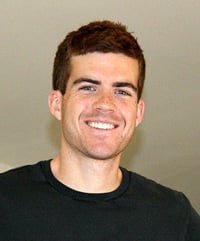
Not long ago we reported how Plancast represented the future of social networking , both literally and figuratively. Over the past month, the plan broadcasting service has continued to grow, even drawing in many . We tracked down one of Plancast's founders, Mark Hendrickson , to ask him about how the start-up came together and see if they were willing to let us broadcast some of their plans to you. (BTW, we found out after this interview that Plancast is hiring. , starting at $120k and an equity stake.)
Daniweb: Briefly, what was the genesis of Plancast?
Mark Hendrickson: When I left my job at TechCrunch last year, I set out to build something that would help me connect with people in real life instead of just virtually. I played with a lot of different concepts, but Plancast arose as the most straightforward idea -- a service that made it easy for people to share the actual things they were doing in real life and discover what everyone else was up to.
Daniweb: What was your elevator pitch to get funded?
Our pitch centered around the idea that there's a lot of personal information locked up in people's calendars that has immense social value. Intentions are powerful things, not only because our friends care about them, but other people -- such as marketers -- do as well. By unlocking this type of data, we create an opportunity to facilitate local interactions and marketing campaigns that doesn't currently exist.
Daniweb: What are some of the coolest plans that have been Plancast so far? The weirdest?
Mark Hendrickson: We've had people plancast really important life events like weddings and really mundane things like taking a shower. In this regard, and like Twitter, the platform can be used for high and low forms of expression. There's been some morbid stuff like funerals but also exciting "flash mob" type behavior around people going out on the town and getting together during bigger events.
Daniweb: How will plancast stand out from the zillions of other social networking and planning/mapping apps out there?
Mark Hendrickson: We believe the most important thing is to pick one type of interaction or behavior to facilitate and get really good at that. People want to communicate in a variety of different ways, and the big name social networks can only do a great job with a certain set of interactions. With our focus on sharing plans and events, we aim to create the best experience around activities coming up in the real world, so much so that the choice will be obvious.
Daniweb: You use Facebook and Twitter for distribution, will we see similar integration with other services like FourSquare, Google Apps, etc...?
Mark Hendrickson: You definitely will. We already have Google Buzz integration, and other features are in the works that will integrate additional third party services. There's a lot of cross-platform love going on.
Daniweb: Are there any not-so-obvious applications of Plancast that we're missing?
Mark Hendrickson: We think a lot of businesses could actually use Plancast to promote their ongoing events, whether they are mom and pop shops in a local community, your favorite bands, or big brands. It's a forum for individuals and organizations alike to share things that they attend on doing.
Daniweb: Why the penguin?
Mark Hendrickson: It's cute and we like the idea that penguins are social animals who get together in groups.
Daniweb: Where will Plancast be in a year?
Mark Hendrickson: Bigger and better. Just what that means, we'll have to see!