Fake Steve Jobs issues iPhone 4 recall

Updated happygeek 1 Tallied Votes 796 Views Share

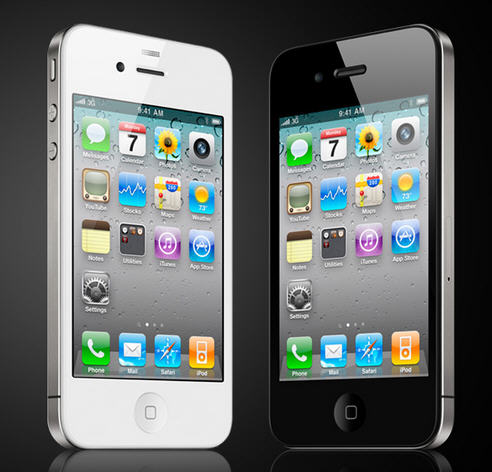
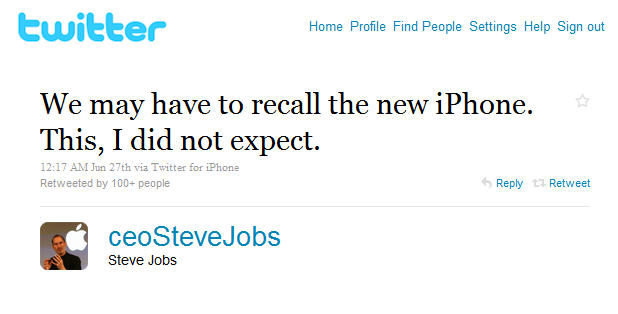
Someone posing as Apple head honcho Steve Jobs on Twitter has managed to fool a major UK newspaper into reporting that the iPhone 4 would be recalled after posting a Tweet which said "We may have to recall the new iPhone. This, I did not expect". The Daily Mail website ran a story with a headline which proclaimed "Apple iPhone 4 may be recalled, says Steve Jobs" which was pulled soon after. Of course, this being the Internet there can be no hiding from such mistakes, especially when Daily Mail content is syndicated far and wide.

I was able to locate plenty of copies of the article by Richard Ashmore which that is was "a hugely embarrassing move for Apple" although truth be told it was actually much more embarrassing for the Daily Mail I would imagine. What a shame that a "spokesperson for Apple was not immediately available to comment" to the story, or Mr Ashmore would have probably have been pointed in the direction of the bio for that ' ceoSteveJobs ' account on Twitter which clearly states: "Of course this is a parody account".

Or maybe the journalist should have looked at some of the other ceoSteveJobs Tweets before coming to the conclusion that it must the real deal. Would the CEO of one of the biggest companies on the planet actually post such things as "FaceTime video calls are the future of AppleCare support" or "To prevent signal problems with the new iPhone, avoid touching the phone at all times" for example? The answer, Mr Ashcroft, is no he would not.

Mind you, when the real Steve Jobs has responded to problems some users are having with signal reception on the iPhone 4 with "Just avoid holding it that way" maybe those other fake Tweets are not so out of character after all...
Dani AI

Generated

As pointed out, this is a classic example of social media being treated as a primary source without basic verification. The Daily Mail published a recall story based on a Steve Jobs tweet from a clearly labelled parody account and later removed the piece; contemporaneous coverage and archived screenshots document the error. The Next Web | iMediaEthics.

For context: the iPhone 4 launch in June 2010 sparked widespread reports of reception problems related to the handset's external-antenna design. Apple responded by attributing much of the effect to grip position and recommending protective cases as a practical mitigation while investigations continued. This technical background explains why a rumor of a recall spread so quickly. Wired | PCWorld.

Quick verification checklist for anyone (readers, bloggers, reporters) before publishing or amplifying a social-media claim:

  1. Check the account profile and handle for explicit “parody/fake” language and compare display name vs handle.
  2. Look for official verification and, crucially, whether the organisation links that account from its official site.
  3. Review the account history for consistent, on-topic posts (not a single viral item).
  4. Search for an official press release or a statement from the company on its corporate site or press channel.
  5. Cross-check with multiple reputable outlets before treating a social post as news.
  6. Preserve evidence (screenshots, archive copies) if a post is time-sensitive.

Twitter parody rules and high-profile impersonations have been a recurring source of newsroom mistakes; publishers should embed simple checks into the editorial workflow so a single social post cannot create a false scoop. TechCrunch on parody accounts | Poynter on verification best practices.

Lesson: social posts can be starting points but not final confirmation. Treat extraordinary social claims as unconfirmed until verified by official channels or multiple reliable reporters.

Be a part of the DaniWeb community

We're a friendly, industry-focused community of developers, IT pros, digital marketers, and technology enthusiasts meeting, networking, learning, and sharing knowledge.