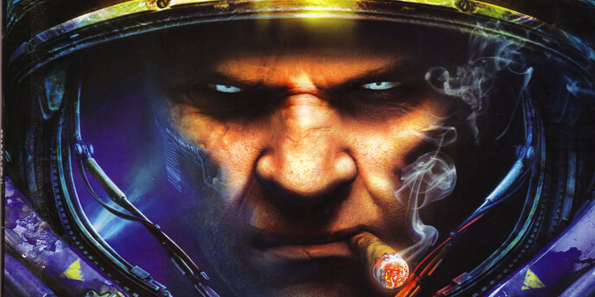
Big bucks, no whammies, and STARCRAFT II! At least that’s Activision Blizzard CEO’s Bobby Kotick’s take.
According to a recent Wall Street Journal interview with Kotick, Activision Blizzard has exceeded an already belt-busting budget of $100 million on their soon-to-be industry-leading cash cow.
Released in March of 1998, the science fiction real-time strategy (RTS) game StarCraft would go on to take the world by storm, changing the landscape of all things to come out of the RTS genre and forever leaving a dent in Korean productivity. It would later move on to take Game of the Year accolades from many of the top PC game publications and currently rest comfortably on many critics lists as one of the greatest games of all time. At present, more than 11 million copies have been sold globally, 4.5 million of which were sold in the Koreas. Kotick expects a similar brilliance from its successor.
"There is no shortage of consumers for StarCraft. For a game that is more than ten years old, there's millions of people still playing it."
The sophomoric release is lavish in part due to the complete overhaul of the outdated Battle.net matchmaking and community software, which receives its unveiling on July 27th as well when StarCraft II hits storefronts worldwide. But $100 million is only a number to Kotick, one he easily see’s past when considering his company’s success on the PC market.
"Today, probably 70 percent of our operating profit comes from non-console-based video games."
Kotick is referring essentially to World of Warcraft, which as of 2009, had over 11.5 million active subscribers and accounts for 55% of Activision Blizzard’s operating margins, trumping the 39% of all of Activision’s assets combined. With StarCraft as the all-time leader for PC real-time strategy game sales and with Diablo II for PC role-playing at over 4 million copies, his confidence is definitely not unwarranted with the sleeper hold Blizzard has on anything with a keyboard and mouse.
Yet Kotick is no stranger to sinking his teeth into franchises and leaving a seething corpse buried in bad intentions and ill relations or riding a cash cow until its legs give out (see Guitar Hero franchise). Kotick is currently at the middle of a heated debate with Infinity Ward founders Jason West and Vince Zampella for unpaid royalties from the record-setting release of Call of Duty: Modern Warfare 2, as well as for ownership rights to the Call of Duty name, a name that has become almost as profitable as “Kennedy”.
But where other studios are pressured by their publishers to have final copies minted by a specific date, Blizzard has always been a company to go with the flow and do things their way. Time is no object, and in their casual yet respectful pace to smooth down all the edges and leave no stone unturned, have built a legacy atop of blockbuster sequels staying true to their franchises and maintaining the integrity of the Blizzard name and universes. StarCraft II and Diablo III are no different, and it’s commendable seeing a company want to provide the most complete experience possible for their loyal fans, instead of releasing Guitar Hero: Van Halen. It would be interesting to see Kotick’s disposition though if World of Warcraft didn’t exist.
Next stop on the money express: Diablo III. All aboard toot toot!