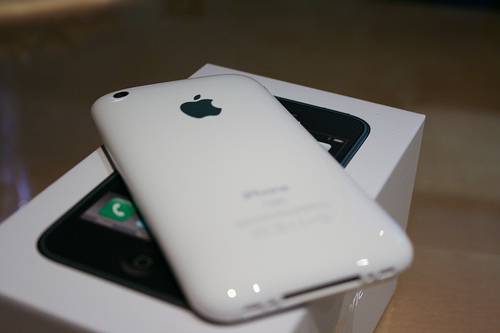
Apple released details of iPhone OS 4.0 today, but let owners of older versions of the phone know that they wouldn't be invited to the party. Unfortunately, according to Apple, owners of first and second generation iPhones (and iPod Touches for that matter) don't have the processing power to handle multi-tasking.
That means, owners of older phones will have to do without multi-tasking unless of course, you upgrade. Imagine that.
Does Apple Even Consider This?
I wonder if Apple even considered this when they developed version 4.0. It might be they don't care. It certainly is a way to encourage people to trade up. It could even be why they waited until version 4.0 of the OS to do something any modern OS really should be able to do. Dole out that desired functionality in small doses, so you keep wanting the newer phone.
But it begs the question: Is it worth upgrading for multi-tasking capability? If you're using a device like the iPhone, do you really, really need to have multiple application open at the same time? You probably don't. I mean you've lived without it this long, but it would be nice to have a game open and your email and play music all at the same time wouldn't it?
I'm wondering how they deal with battery life issues with all those applications open though. Apple claims they have worked out battery issues, although they didn't get into details about how that's going to work. Should be interesting to see how it works when people start using multiple applications and what the reasonable limit is to the iPhone's resources because there has to be one.
The Closed Battery
The fact is that the iPhone is for all intents and purposes a disposable phone. Since you can't replace the battery, when it inevitably dies at some point, you will have to replace the phone. Maybe this is Apple's way of pushing us to upgrade just a little faster. From a business standpoint, it makes a lot of sense. From a customer loyalty viewpoint, it kind of stinks. You've been a good Apple customer. You love your iPhone, but if you want access to this tantalizing new upgrade, screw you. Go get a new one.
Nobody should be surprised by these developments, least of all me, but it might be nice if once in a while, Apple took its loyal customers into consideration instead of forcing them to spend more money to get functionality they should have figured out early on.
Photo by DeclanTM on Flickr. Used under Creative Commons License.