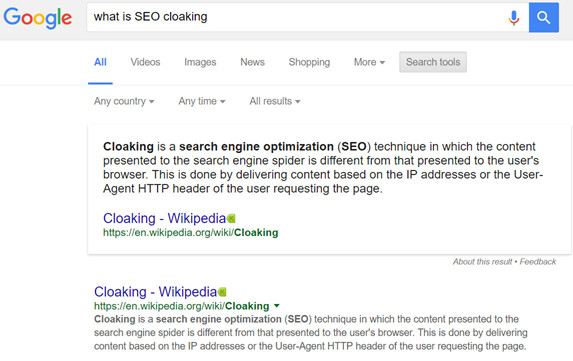
Any idea about Cloaking in SEO

Dani AI

Generated

Practical checklist and fixes to follow up on ’s question and the quick replies from , and . Below are concrete tests to see if your site is being treated differently by crawlers, safe implementation patterns to avoid trouble, and steps to recover if a search engine flags an issue.

First, quick diagnostics you can run from your workstation or server:

# fetch as a typical browser
curl -A "Mozilla/5.0 (Windows NT 10.0; Win64; x64)" -s https://example.com/page > human.html

# fetch as Googlebot
curl -A "Googlebot/2.1 (+http://www.google.com/bot.html)" -s https://example.com/page > google.html

# compare outputs
diff -u human.html google.html

Also inspect server logs for crawler access and responses:

grep "Googlebot" /var/log/nginx/access.log | tail

Use Search Console’s URL Inspection to view how Google rendered the page live. Verify any automated blocking (geo/IP or rate-limiting) isn’t treating known crawler IPs differently; Google recommends confirming crawler IP ownership via reverse DNS checks.

Safer alternatives and implementation notes: prefer responsive design or client-side personalization so the underlying HTML is the same for crawlers and users. If server-side device detection is necessary, implement it transparently, send a correct Vary header, and avoid hiding primary content behind scripts or redirects for some user agents. Keep structured data and canonical tags consistent across variants.

If you find an issue and Search Console shows a manual action, fix the offending logic, document the changes (logs, diffs), use URL Inspection to re-test, and submit a reconsideration request with clear remediation steps. For official guidance, see Google’s developer guidance on cloaking: Google Search Central: Cloaking.

Recommended Answers

All 3 Replies

You tried this, right?

cloaking.jpg

commented: Looks like a bad idea. +11

Just don't do that)

Cloaking is a blackhat technique in SEO, it is serving one version of page to search engine and another version to human visitors. Google and other search engines hate this process and no one follows this technique.

Be a part of the DaniWeb community

We're a friendly, industry-focused community of developers, IT pros, digital marketers, and technology enthusiasts meeting, networking, learning, and sharing knowledge.